Waqf, Applied to Real Impact
Through Awqaf of America, waqf is not theoretical—it is actively deployed through Al-Furqaan Foundation’s initiatives, ensuring that every endowment produces measurable and lasting impact.
What is a Waqf?
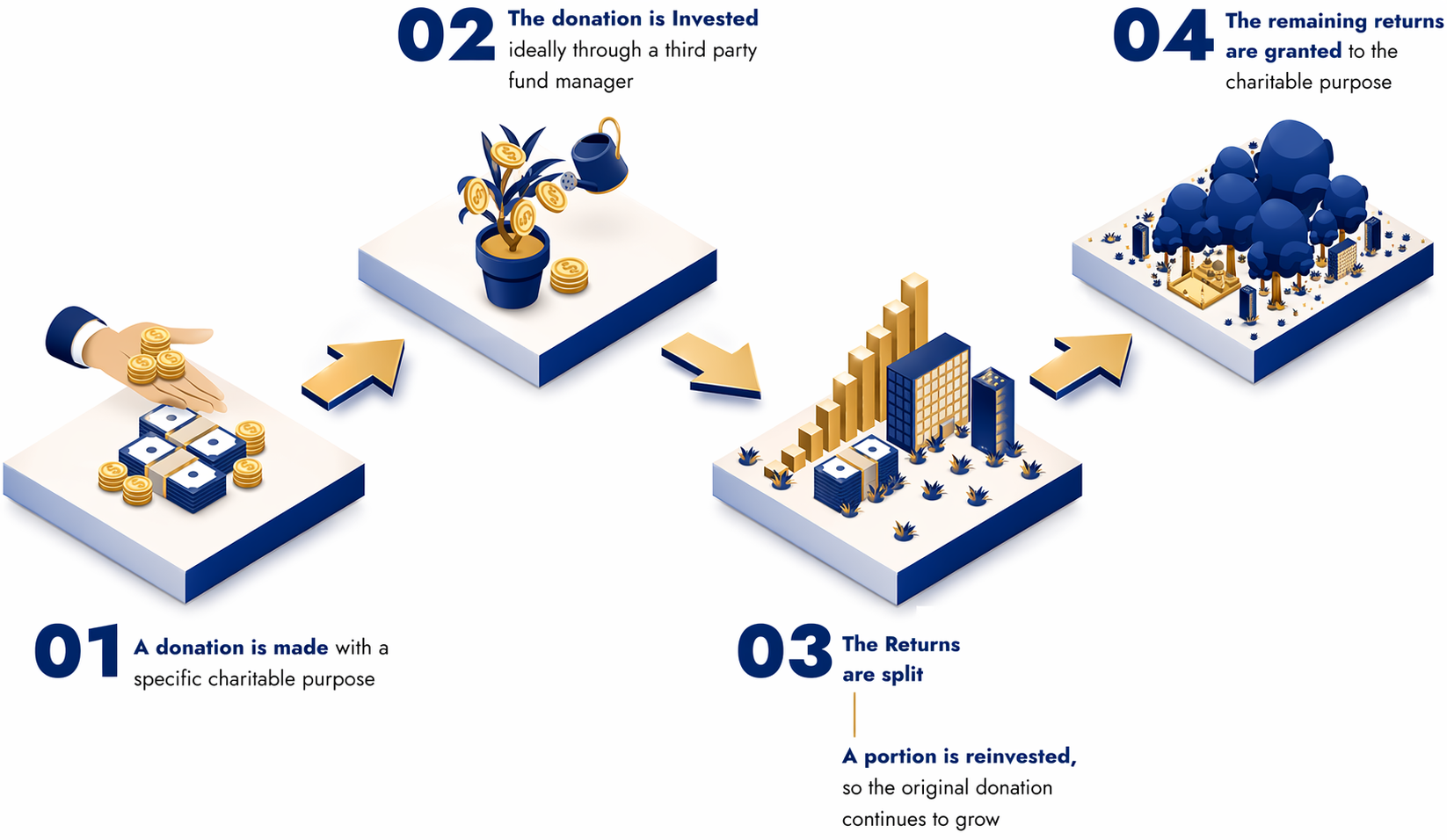
A waqf (plural: awqaf) is a permanent charitable endowment under Islamic law, in which assets—such as property, investments, or cash—are donated or set aside for religious, educational, or social purposes. These assets are preserved and managed so that their benefits continue to serve the community indefinitely. The original capital remains intact, while the returns are used to fund initiatives that uplift society and fulfill the donor’s charitable intent.
Waqf, or plural Awqaf, is a form of sadaqah jariyah—perpetual charity—that continues to benefit others long after it is given. It involves donating an asset, such as cash, property, or shares, whose returns serve the community continuously.
Rooted in The Quran and Sunnah, Waqf has historically funded mosques, schools, hospitals, and public welfare initiatives, forming the foundation of sustainable Islamic philanthropy.
Awqaf of America serves as a central hub for endowment institutions, offering regulatory support, issuing permits, and hosting educational conferences and seminars that elevate awareness and best practices in waqf management. Our work is rooted in this timeless Islamic tradition—an enduring legacy of giving that uplifts communities and strengthens the social fabric.
Every initiative we undertake is designed to drive meaningful social and environmental impact. From supporting educational institutions and healthcare initiatives to funding community development and economic empowerment projects, Awqaf of America is committed to building a resilient and prosperous future for Muslims in America.
We leverage cutting-edge investment solutions and develop innovative financial products tailored to the unique needs of the waqf sector. Our operations are guided by ethical governance, financial transparency, and a deep sense of responsibility to our stakeholders and the broader community.
Sadaqah Jariyah
Sadaqah Jariyah refers to continuous charity that benefits others long after it is given. Waqf is one of its highest forms, ensuring ongoing reward for the donor.
How Waqf Works
- Principal remains intact
- Invested in halal assets
- Returns fund charitable causes
Historical Significance
For centuries, waqf institutions funded: - Universities like Al‑Azhar - Hospitals and public services - Mosques and community centers
Waqf was the backbone of Islamic civilization’s social infrastructure.
Modern Relevance
Today, Waqf is essential for: - Financial independence of Islamic institutions - Long-term community development - Sustainable dawah efforts
Types of Waqf
General Waqf
(public benefit)
Family Waqf
(private legacy)
Institutional Waqf
(organizational funding)
what is a waqf?
A waqf is a perpetual charitable endowment in Islam — a gift that continues to benefit people long after the donor has returned to Allah. It creates ongoing reward (sadaqah jariyah) and long-term community strength.
how it works

Donor contributes to Waqf

Funds are invested Shariahcompliantly

Halal returns are generated

Returns fund Islamic impact forever
why waqf matters today
The waqf model is timeless. It creates:

Perpetual Benefit
Assets generate ongoing impact

Long-Term Vision
Projects are built to last generations

Community Independence
Institutions are not reliant on unstable funding

Spiritual Reward
Donors earn continuous sadaqah jariyah
the first waqf in islam
The first waqf is considered to be the orchard donated by ‘Umar ibn al-Khattab(RA) in Khaybar. The Prophet(SAW) advised him to keep the asset intact and donate its fruits in charity.
the origins of the waqf tradition
The concept of waqf began in the earliest days of Islam. The Prophet Muhammad(SAW) encouraged his companions to establish endowments that would continue to benefit people indefinitely.